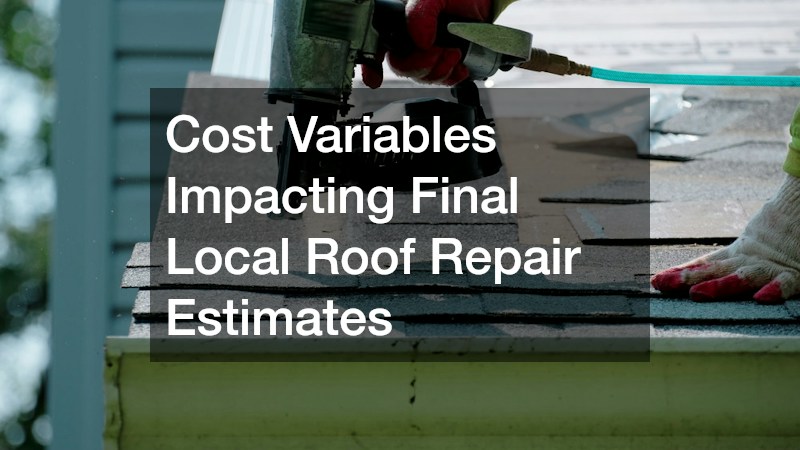
Cost Variables Impacting Final Local Roof Repair Estimates
Roof repair in Virginia Beach, VA, involves navigating a distinct set of regional challenges. From high-humidity coastal salt air to seasonal hurricane threats, local environmental factors directly dictate material specifications, labor requirements, and overall project costs. Accurately estimating a local roof repair requires evaluating key cost variables, including structural complexity, seasonal timing, contractor selection, and potential hidden contingencies.
Key Factors Shaping Local Roof Repair Costs
Material Selection and Performance Ratings
Material choice forms the foundation of any repair estimate. In coastal environments like Virginia Beach, roofing materials must resist high wind uplift and saltwater corrosion:
-
Asphalt Shingles: Three-tab and architectural asphalt shingles remain the most common, cost-effective options. However, architectural shingles are frequently preferred locally due to higher wind resistance ratings (up to 130 mph) necessary for severe coastal storms.
-
Metal Roofing: Standing seam metal roofs carry a higher initial cost but offer superior durability, corrosion resistance, and heat reflection against intense summer solar radiation.
-
Specialty Materials: Slate, concrete tile, and cedar shake require higher material expenditures and specialized structural support evaluations before installation.
Labor Rates and Regional Economic Factors
Labor expenses reflect local market demand, contractor crew sizing, trade certifications, and regional wage standards. In Virginia Beach, skilled roofing labor costs fluctuate based on seasonal demand surges following major weather events or regional coastal storm systems.
Coastal Climate and Weatherization Measures
Virginia Beach’s humid subtropical climate demands specialized weatherization additions during repairs:
-
Underlayment Upgrades: High-temp self-adhering ice and water shields are often specified along eaves, valleys, and flashing points to prevent wind-driven rain intrusion.
-
Corrosion-Resistant Fasteners: Coastal proximity requires stainless steel or hot-dip galvanized fasteners to prevent premature rust degradation from airborne sea salt.
Seasonal Demand and Timing Impact
Peak Season Pricing Surges
Late spring, summer, and early autumn represent peak roofing season in Tidewater Virginia. High demand for contractor availability during warm, dry weather leads to tighter scheduling windows and elevated labor bids.
Off-Peak Scheduling Benefits
Scheduling non-emergency, preventative repairs during late fall or winter often yields lower labor rates, reduced contractor backlogs, and faster permit turnaround times through local municipal building departments.
Weather-Related Project Delays
Coastal weather volatility can interrupt repair schedules. Unanticipated afternoon thunderstorms or tropical system threats require crews to secure temporary synthetic underlayment or tarps, potentially adding time and labor charges to the final estimate.
Roof Size, Structural Complexity, and Accessibility
-
Square Footage Analysis: Roofing materials and labor are priced per “square” (a standard industry measurement equal to 100 square feet). Larger repair areas directly scale material, waste handling, and labor costs.
-
Architectural Complexity: Steep roof pitches (requiring specialized safety rigging and OSHA-compliant fall protection), multiple gables, skylights, chimneys, and dormers increase installation difficulty and overall labor hours.
-
Site Accessibility: Restricted site access—such as multi-story structures, dense residential lot lines, or delicate landscaping—requires specialized equipment like boom lifts or manual material hauling, increasing operational overhead.
Contractor Qualification and Market Estimation
Credential Verification
Selecting a qualified contractor directly affects both initial estimates and long-term repair reliability. Homeowners should verify:
-
Licensing: Active Class A, B, or C Virginia State Contractor Licenses with a specialty classification in roofing (ROC).
-
Insurance Coverage: Comprehensive general liability and statutory workers’ compensation insurance to insulate property owners from job-site liability.
Evaluating Estimates
Prospective clients should obtain at least three itemized, written estimates detailing tear-off fees, material specifications, flashing replacement, underlayment types, and labor warranties. Evaluating detailed line items ensures accurate side-by-side pricing comparisons.
Managing Potential Hidden Costs
Unforeseen Decking and Structural Damage
Hidden water intrusion frequently damages underlying plywood or OSB sheathing, rafters, and fascia boards. Once damaged shingles are removed, replacing rotted decking adds unexpected material and labor fees to the final bill.
Debris Removal and Disposal Fees
Local landfill tipping fees, roll-off dumpster rentals, and old material tear-off labor should be explicitly detailed in the original scope of work. Disposing of heavy multi-layer asphalt shingles or heavy tile incurs higher disposal fees.
Flashing and Vent Replacement
Reusing aged, corroded wall flashing, chimney counter-flashing, or pipe boots risks future leaks. Estimating for complete flashing replacement prevents premature repair failures.
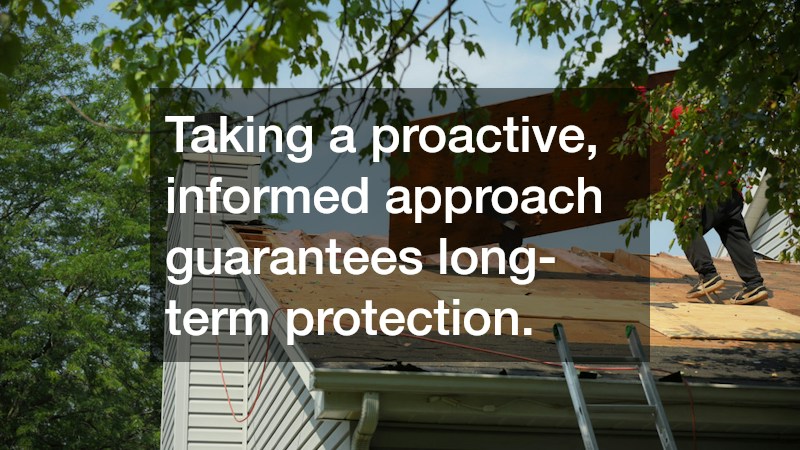
Developing a comprehensive budget for local roof repair in Virginia Beach, VA requires a detailed understanding of material durability, labor trends, roof architecture, and coastal climate challenges. By accounting for seasonal timing, selecting licensed and insured local contractors, and allocating a 10% to 15% contingency budget for hidden structural decay, homeowners can ensure their roofing repairs are both financially manageable and structurally resilient. Taking a proactive, informed approach guarantees long-term protection against the unique environmental demands of the Virginia Beach coast.