Essential Home Exterior Maintenance Tips for Every Season
Why Seasonal Maintenance Matters for Your Home
A residential home represents one of the most significant financial investments most individuals will ever make. While homeowners often devote considerable energy to interior decor, kitchen updates, and paint colors, the exterior envelope of the home is what actively preserves that underlying property value. Year after year, your roof, walls, foundation, and drainage channels endure constant exposure to changing weather conditions, ultraviolet radiation, freezing temperatures, and heavy precipitation. Neglecting routine care leads to subtle degradation that can rapidly compound into catastrophic structural failures, moisture intrusion, and severe financial stress.
Implementing a disciplined, seasonal home maintenance strategy acts as a primary defense against unbudgeted emergency repairs. By breaking exterior care into dedicated quarterly walkthroughs, you can identify minor vulnerabilities before they manifest as costly structural defects. Understanding how seasonal weather patterns interact with building materials allows you to proactively safeguard your property, preserve energy efficiency, and maintain exceptional curb appeal through every month of the year.
Check for Winter Damage and Clear Your Gutters in the Spring
Spring brings milder temperatures and longer days, making it the ideal window to evaluate how well your property endured winter freezing, heavy snow loads, and persistent moisture exposure. Begin your springtime assessment at ground level using a pair of binoculars to examine the uppermost surfaces of your home safely. Look closely for loose, cracked, missing, or curling shingles, especially along high-stress areas such as hips, ridges, and roof valleys. Hail, freeze-thaw cycles, and heavy winds can strip protective mineral granules away from asphalt shingle surfaces, leaving underlying felt backing exposed to harsh sunlight and future rainfall.
Beyond the main surface materials, pay close attention to critical transition areas where water intrusion most frequently originates. Inspect the metal flashing installed around dormers, vent pipes, skylights, and chimneys to verify that sealants remain pliable and free of rust or gaps. Pay special attention to rubber boots around plumbing stacks, as winter temperatures frequently cause these components to crack and fail. Scheduling a professional roof inspection during early spring ensures that subtle structural deficits or hidden underlayment deterioration are identified and corrected well before intense seasonal rainstorms arrive.
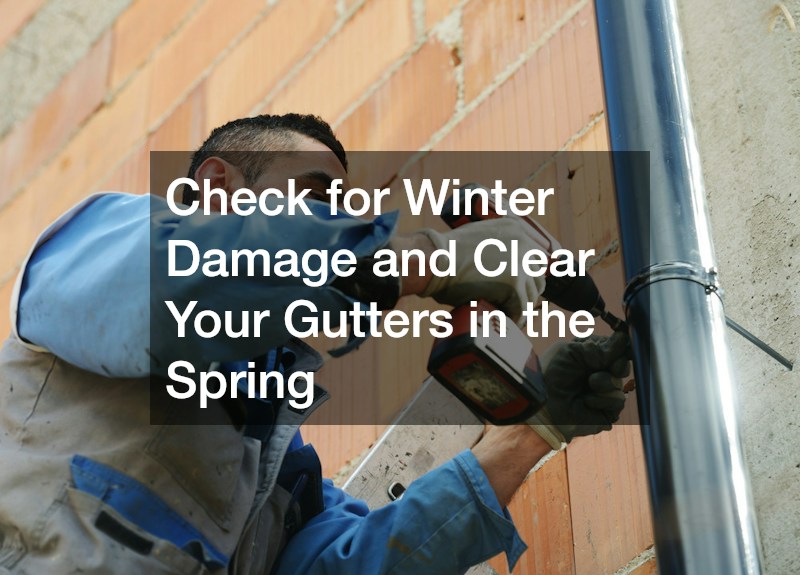
Winter weather frequently deposits high volumes of twigs, pine needles, decomposing leaves, and airborne silt directly into your roof drainage channels. When spring rains arrive, clogged troughs prevent rainwater from exiting properly, causing standing water to back up underneath shingle edges or overflow onto surrounding fascia boards and home foundations. Begin your spring drainage maintenance by manually scooping out accumulated debris from all gutters, working carefully from a stabilized ladder or utilizing grounded extension tools.
Once the main channels are clear, flush the entire system with a garden hose to verify that water moves freely toward every downspout. Watch downspout discharge points closely to confirm that water flows quickly without backed-up blockages. Downspout extension pipes should discharge water at least five to six feet away from the home foundation to prevent basement dampness and soil erosion. If you observe water pooling around downspouts or notice lingering dampness in your basement walls, engaging professional gutter services can help realign pitch angles, re-anchor loose hidden hangers, or install specialized drainage diversions that keep structural foundations dry.
Prepare for Heat Waves and Heavy Storms in the Summer

Summer weather presents a unique combination of extreme UV exposure, high ambient heat, and sudden severe weather events such as hail storms, high wind gusts, and intense downpours. High temperatures can cause roofing materials to expand and contract dramatically, accelerating thermal shock and breaking down sealants around critical exterior joints. Following any major summer storm, conduct a swift, thorough perimeter assessment of your home to identify immediate physical vulnerabilities.
Walk around the property to check exterior siding panels, window frames, and exterior trim for impact marks, cracks, or loose components. Check ground level areas, decks, and patio surfaces for shed granules or broken shingle fragments that indicate high wind or impact damage aloft. Hail impact can dislodge protective granules without breaking through the shingle base, creating micro-fractures that eventually permit water intrusion months down the road. Arranging a formal hail damage inspection after severe weather events provides a documented evaluation of surface integrity, which is essential for filing timely insurance claims and preserving structural warranties.
Mid-to-late summer is the strategic window for planning major exterior upgrades or structural restorations before fall weather arrives and contractor schedules fill up. If your spring and early summer evaluations revealed widespread surface wear, sagging rooflines, or repeated leak issues, this is the time to request comprehensive technical proposals from multiple licensed professionals. Detailed proposals should clearly break down material grades, underlayment options, ice barrier installations, labor warranties, and disposal fees so you can make informed financial decisions.
When collecting written proposals, compare line items carefully rather than focusing solely on bottom-line pricing. Ensure each proposal accounts for necessary permits, ventilation adjustments, and complete tear-off procedures rather than superficial overlay options. Requesting itemized roofing estimates allows you to evaluate material performance ratings, such as wind resistance and fire ratings, ensuring that your long-term investment provides maximal protection against local climate extremes. Finalizing contractor agreements during summer secures your spot on fall installation schedules without facing seasonal rush pricing.
Ready Your Chimney and Gutters for Cold Weather in the Fall

As autumn leaves turn and temperatures begin to drop, home maintenance shifts toward winter preparation, heating efficiency, and moisture protection. Your chimney is an essential structural element that requires careful attention before you ignite the first fire of the season. Over months of use, burning wood deposits flammable creosote along the internal liner of your chimney flue. Additionally, during spring and summer, birds, squirrels, and insects often construct nests inside unsealed chimney caps, creating dangerous airflow blockages.
In addition to flue obstructions, external masonry and mortar joints undergo significant stress from rain, wind, and frost. Inspect the exterior brickwork for spalling bricks, crumbling mortar, or cracked concrete crowns that allow rainwater to migrate into internal wall cavities. Hiring a certified chimney sweep to conduct a thorough sweeping and internal camera evaluation ensures that creosote deposits are safely removed and structural masonry issues are remediated. Taking this step protects your household against deadly carbon monoxide buildup and hazardous flue fires throughout the cold months.
Autumn brings heavy leaf drop that can quickly choke rainwater channels right when heavy fall precipitation begins. Uncleared leaves trap moisture against fascia boards, promoting wood rot and creating ideal conditions for winter ice dam formation. Clean out all drainage channels once the majority of surrounding trees have shed their leaves. Inspect fascia mounting brackets, verifying that screws are tightly secured into structural rafter tails to support the heavy weight of autumn rainwater and winter snow loads.
If your existing rainwater channels show persistent sagging, rusted joints, or frequent overflowing despite regular cleaning, autumn is the ideal season to replace aging components. Upgrading to seamless aluminum or copper systems eliminates leaky joint seams and provides superior structural integrity against freezing expansion. Contracting a specialized crew for new gutter installation during the fall ensures that your property features optimal slope pitch and durable leaf protection systems, keeping water moving smoothly away from your home prior to the first winter freeze.
Protect Your Attic and Manage Heavy Snow During Winter
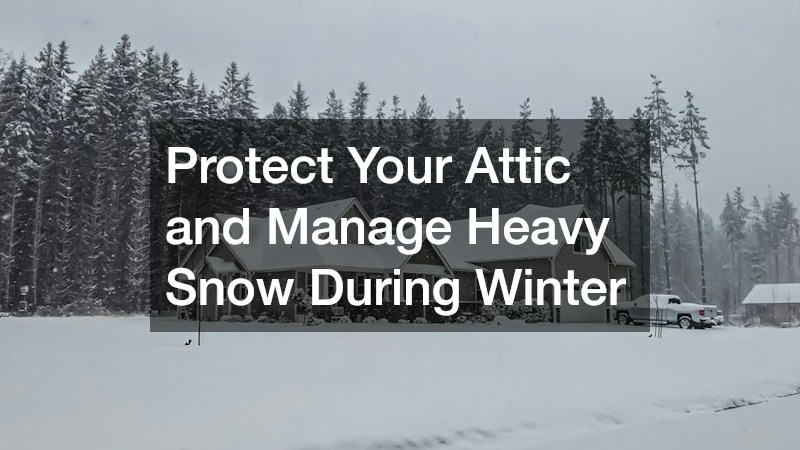
Winter presents the most rigorous test of your home exterior and thermal barrier. During cold months, home heating systems generate significant warm air that naturally rises toward the upper ceiling structure. If your attic space lacks proper air sealing and adequate thermal resistance, this escaping heat warms the underside of the upper structure, melting accumulated snow on your roof. As this melted snow flows down toward the cold, unheated eaves, it refreezes, forming thick ridges of ice known as ice dams that force water upward underneath asphalt shingles and into interior living spaces.
Preventing ice dams and reducing winter energy bills requires establishing a balanced thermal envelope in your attic space. Inspect attic insulation depth, verifying that air baffles remain clear near soffit vents to maintain continuous airflow from eaves to ridge vents. Sealing bypass leaks around recessed lights, pull-down stairs, and duct penetrations keeps warm household air inside living quarters where it belongs. Partnering with a licensed insulation contractor helps you upgrade insulation levels to recommended climate zone R-values, ensuring your attic stays cool, dry, and energy efficient throughout winter.
Heavy winter snowfall and ice storms introduce massive static loads onto upper residential structures. While modern building codes require homes to support regional snow accumulations, packed wet snow or ice accumulation can approach structural load thresholds. Monitor your home for signs of structural stress during extreme winter weather events, including sticking interior doors, new drywall cracks near upper ceilings, or audible creaking sounds emanating from roof trusses during heavy snowfall.
Attempting to clear snow from steep or icy structures personally presents extreme safety hazards. Using improper tools can also puncture surface membranes, tear off shingle tabs, or destroy valley flashings. When excessive snow accumulation threatens structural safety, contacting an established provider of specialized roofing services is the safest path forward. Professional crews utilize specialized roof rakes, safety harnesses, and steam equipment to remove snow and ice safely without damaging underlying building materials or endangering occupants.
How to Choose the Right Contractor for the Job
While basic exterior maintenance tasks like surface cleaning and minor inspections can be performed by diligent homeowners, major structural repairs, replacements, and dangerous elevation work require professional expertise. Entrusting your home to qualified trade specialists protects your financial investment and ensures compliance with municipal building codes. When vetting potential contractors for major exterior work, always request proof of current state licensing, active general liability coverage, and comprehensive workers’ compensation insurance.
Never rely solely on verbal promises when evaluating contractor credentials; request official insurance certificates issued directly from the contractor’s insurance carrier listing you as a certificate holder. Additionally, inquire about specific workmanship warranties provided by the contractor in addition to manufacturer material warranties. Working with a fully credentialed roofing contractor ensures that work is executed according to strict trade standards, local building codes, and safety mandates, protecting you from personal liability in the event of jobsite accidents.
Selecting a contractor who maintains a permanent, physical presence within your local community provides distinct long-term advantages over out-of-state storm-chasing operations. Local trade professionals possess deep familiarity with regional climate challenges, regional wind load requirements, micro-climates, and specific municipal permit standards. They also rely on local community reputation and client referrals, making them far more likely to honor workmanship warranties and deliver prompt post-project service if issues arise down the road.
Establishing an ongoing working relationship with a reputable local specialist simplifies future maintenance needs and emergency responses. When you hire an experienced residential roofer for routine checkups or minor repairs, they build a comprehensive service record for your property, identifying long-term wear trends and helping you budget for future upgrades. This long-term partnership ensures your home receives tailored care adapted precisely to your region’s unique weather patterns and architectural styles.
Keep Your Home Protected All Year Long
Maintaining a home exterior demands consistent attention, proactive planning, and a commitment to address minor issues before they transform into major structural failures. By aligning your maintenance efforts with the natural progression of the seasons, you systematically eliminate vulnerabilities, optimize energy performance, and protect every component of your property from weather-related degradation. From spring thaw inspections to winter load management, each seasonal checklist plays a vital role in preserving your home’s structural integrity and financial value.
Ultimately, systematic home preservation is far less expensive and stressful than managing emergency structural repairs or sudden interior water damage. Taking the time each quarter to inspect your property, clear drainage paths, upgrade thermal barriers, and engage vetted trade professionals creates a robust protective defense around your living space. Small, consistent efforts spent on preventive care pay massive dividends in long-term structural resilience, lower utility bills, and overall peace of mind. By investing in seasonal diligence today, you ensure that your home remains a safe, comfortable, and valuable sanctuary for many years to come.