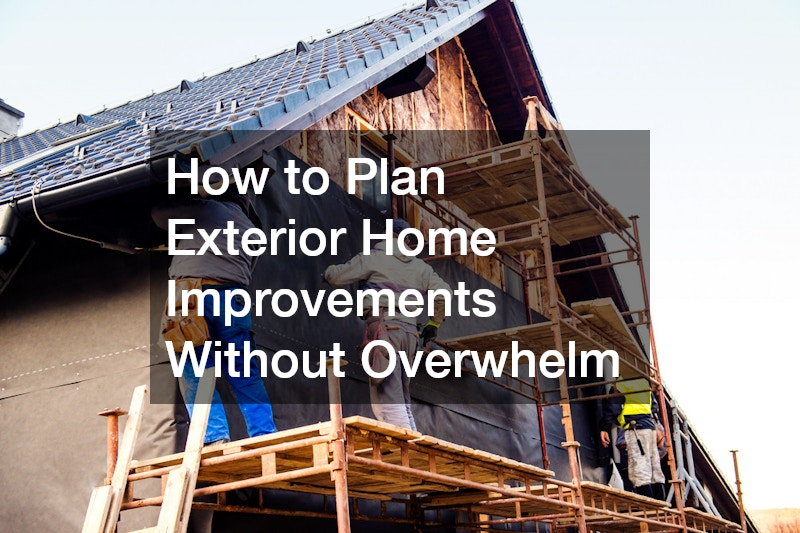
How to Plan Exterior Home Improvements Without Overwhelm
Exterior home improvements can quickly feel overwhelming because they involve multiple systems, multiple contractors, and multiple timelines happening at once. Unlike interior projects, exterior work is also weather-dependent and often exposes hidden issues once the process begins. This combination can make homeowners feel like they are constantly reacting instead of planning. The good news is that overwhelm usually comes from a lack of structure, not from the size of the project itself.
With the right approach, exterior upgrades can be broken into manageable phases that reduce stress and improve results. Instead of trying to fix everything at once, the goal is to prioritize, sequence, and coordinate work in a logical order. This guide walks through how to approach exterior improvements step by step so decisions feel clearer, budgets stay more controlled, and the overall process becomes far easier to manage.
Start by Identifying Priority Exterior Issues First
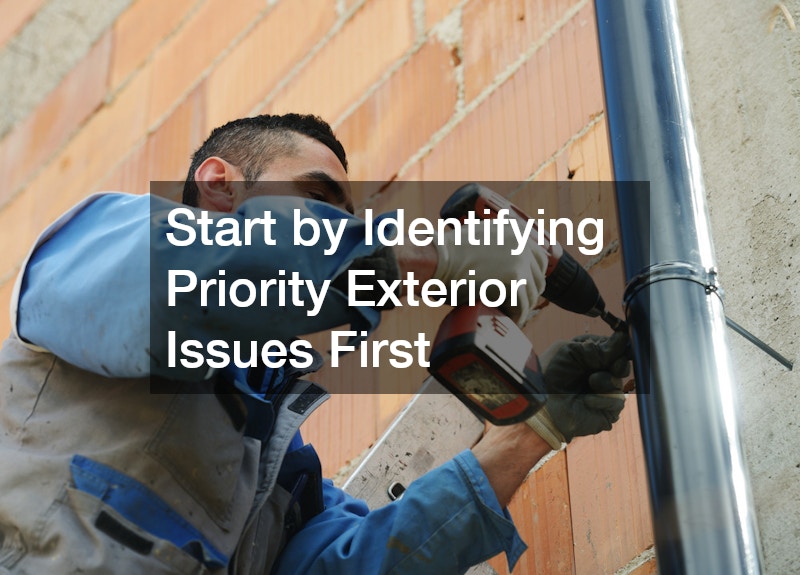
The first step in any exterior improvement plan is understanding what actually needs attention right now versus what can wait. Many homeowners make the mistake of focusing on visible upgrades while missing underlying issues that cause long-term damage. A practical starting point is walking the exterior of the home and noting anything that looks worn, leaking, cracked, or shifting. This helps separate urgent concerns from cosmetic updates.
One of the most important issues to identify early is when structural protection is compromised. For example, roof problems should never be delayed because water intrusion can lead to expensive internal damage. In many cases, roof repair becomes the highest priority before any siding or landscaping work is considered.
To make this process easier, it helps to categorize findings into clear groups. A simple approach is:
Before starting any project, walk your property and divide findings into urgency levels:
- Immediate issues affecting water protection or structure
- Short-term repairs that prevent future damage
- Cosmetic improvements that can be scheduled later
After creating this breakdown, it becomes much easier to build a realistic plan. Instead of reacting to problems randomly, you are working from a structured list that guides every decision moving forward.
Understand Water Management Before Any Aesthetic Work
Water is one of the most important factors in exterior home health, yet it is often overlooked until damage appears. Poor drainage can undermine even the most expensive upgrades if it is not addressed early. Water pooling near the foundation or improper runoff from gutters can lead to soil erosion, basement moisture, and structural shifting over time.
Before focusing on appearance-based upgrades, it is essential to evaluate how water moves around the property. In some cases, issues may require targeted solutions such as a French drain installation to redirect water away from vulnerable areas. This type of system helps prevent long-term damage that is not always visible at the surface level.
Water management should always come before cosmetic improvements because it protects every other investment. A new exterior finish or upgraded landscaping will not last if the ground beneath it remains unstable.
A practical way to evaluate drainage is by observing the property during rainfall. Homeowners should look for:
- Water pooling near the foundation
- Overflowing gutters or downspouts
- Soil erosion or exposed roots near the home
After identifying these patterns, it becomes easier to decide whether grading adjustments or drainage systems are needed. Once water flow is properly controlled, other exterior improvements can proceed with far less risk of future damage.
Learn How to Evaluate Roofing Professionals Effectively
Choosing the right professional for roofing work can significantly impact both cost and long-term performance. Not all contractors approach projects with the same level of detail or communication, so evaluation is an important step in reducing stress. Many homeowners feel overwhelmed simply because they are unsure what to ask or compare when reviewing options.
When speaking with roofers, it is important to focus on the process rather than just the price. Understanding how they inspect, diagnose, and explain issues gives insight into their working style. Clear communication during the early stages often reflects how smoothly the project will run later.
Before selecting a contractor, homeowners should compare more than just estimates. A structured comparison helps reduce confusion and ensures important details are not missed.
A helpful evaluation approach includes reviewing:
- Inspection methods and thoroughness
- Written estimate clarity and detail
- Timeline expectations and scheduling flexibility
- Warranty and post-work support
After reviewing these elements, the decision becomes less about guessing and more about informed comparison. This reduces stress and helps ensure the project starts with the right expectations.
Organize Your Roofing Project Step by Step
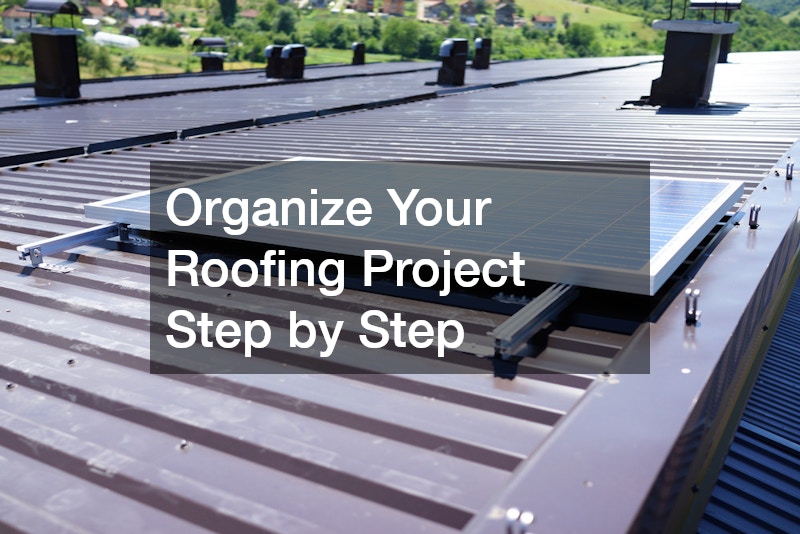
Once a contractor is selected, the roofing process becomes much easier to manage when broken into clear steps. A structured approach reduces uncertainty and helps homeowners understand what is happening at each stage. Working with a roofing contractor who explains the process clearly can make a major difference in reducing overwhelm.
Most roofing projects follow a predictable sequence, but homeowners often feel stressed because they do not know what to expect. Understanding the timeline helps eliminate confusion and allows better preparation for each phase of work.
A typical roofing project includes inspection, material selection, preparation, removal of old materials, installation, and cleanup. Each phase has its own timeline and requirements, which should be communicated clearly before work begins.
To stay organized during the process, it helps to prepare ahead of time:
Before work begins, homeowners should:
- Move vehicles away from the work zone
- Protect outdoor furniture and landscaping
- Confirm daily work hours with the contractor
After preparation is complete, the project tends to move more smoothly and with fewer interruptions. Knowing what to expect each day also helps reduce stress during construction.
Choose the Right Roofing Materials for Long-Term Value
Material selection is one of the most important decisions in any roofing project because it affects durability, maintenance, and long-term cost. Different materials perform differently depending on climate, exposure, and home structure. Making an informed choice helps avoid unnecessary repairs in the future.
Some homeowners prefer traditional materials, while others explore more modern options. For example, metal roofers often recommend metal systems for their longevity and resistance to weather conditions. These systems can offer strong performance in areas with heavy rain or sun exposure.
Choosing the right material is not just about appearance. It is about balancing cost, durability, and maintenance requirements over time. A cheaper option upfront may require more repairs later, while a higher-quality system may reduce long-term maintenance needs.
Key factors to consider include:
- Climate compatibility
- Maintenance requirements
- Expected lifespan
- Energy efficiency
After evaluating these elements, homeowners can make more confident decisions that align with both budget and long-term goals. Material choice should always be made with future performance in mind, not just immediate appearance.
Avoid Common Mistakes When Hiring Local Specialists
Working with nearby professionals can improve communication and response time, but it still requires careful selection. Not all local providers offer the same level of quality or consistency, so evaluation is still necessary. Choosing a local roofer should involve more than convenience — it should involve understanding reliability and track record.
One common mistake is relying only on proximity without reviewing past work or communication style. Even local providers vary widely in experience and service approach. Asking the right questions early helps prevent misunderstandings later in the project.
Homeowners should also verify licensing and insurance before committing to any work. These factors protect both parties and ensure accountability throughout the project. Communication style is another important indicator of how smoothly the work will progress.
A helpful checklist includes:
- Reviewing recently completed projects
- Confirming licensing and insurance status
- Evaluating responsiveness during initial contact
After completing this review, homeowners are more likely to choose someone who aligns with their expectations and reduces unnecessary stress during the project.
Plan Exterior Wall Upgrades Without Overlapping Work
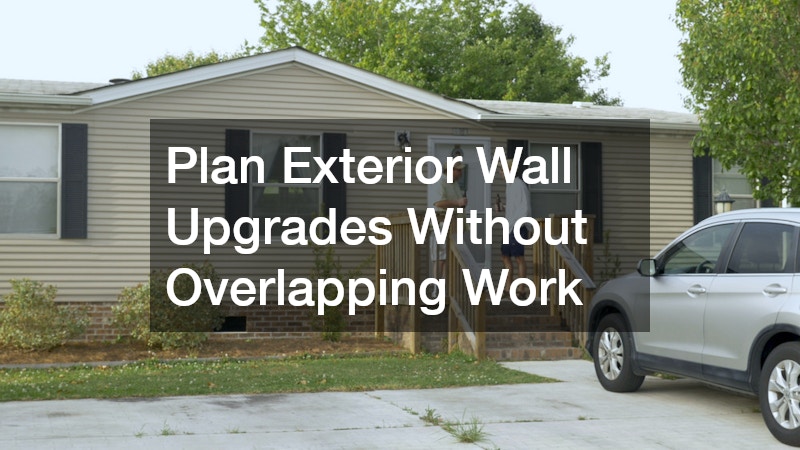
Exterior wall upgrades require coordination because they often intersect with roofing, drainage, and structural elements. Poor sequencing can lead to rework or damage to newly completed surfaces. Planning carefully helps avoid unnecessary expenses and frustration.
One common example is deciding whether to repair or replace sections of siding. In many cases, vinyl siding repair is sufficient for isolated damage, while larger issues may require more extensive work. Understanding the difference helps prevent overcommitting to full replacement when it is not necessary.
Siding work should always be scheduled after structural and water-related issues are resolved. This ensures that new materials are installed on a stable foundation and are not exposed to hidden moisture problems.
A structured approach includes:
Before starting siding improvements, homeowners should ensure:
- Roofing and drainage systems are stable
- Underlying structural issues are addressed
- Problem areas are clearly identified
After these steps, siding work becomes more predictable and longer lasting. Proper sequencing reduces the likelihood of future repairs and improves overall project efficiency.
Break Down Siding Projects Into Manageable Stages
Siding projects can feel overwhelming when viewed as a single large task, but breaking them into stages makes the process much easier to manage. Instead of treating the entire exterior as one project, dividing it into sections allows for better budgeting and scheduling.
A siding service typically begins with inspection and assessment, followed by material selection, preparation, and phased installation. Each stage has its own timeline, which can be adjusted depending on weather and availability.
Homeowners often feel more comfortable when work is completed in sections rather than all at once. This approach allows them to see progress gradually and make adjustments if needed.
Breaking the project into stages also helps with decision-making. Instead of committing to everything at once, homeowners can evaluate progress and continue based on results.
A phased approach may include:
- Front-facing sections first for immediate visual impact
- Side elevations in the next phase
- Rear areas completed last for flexibility
After dividing the work this way, the project becomes far easier to manage both financially and logistically.
Compare Contractor Options Without Feeling Overwhelmed

Comparing multiple contractors can quickly become confusing if there is no clear structure in place. Different pricing formats, timelines, and communication styles can make decisions feel overwhelming. Creating a consistent comparison method helps simplify the process.
When reviewing siding contractors, it is important to standardize what is being compared. This ensures that decisions are based on actual value rather than presentation differences in estimates.
One effective approach is to create a simple comparison sheet that includes key categories such as scope of work, timeline, materials used, and warranty terms. This allows homeowners to see differences clearly and avoid decision fatigue.
A structured comparison should include:
- Total project scope
- Estimated completion time
- Material quality and options
- Communication responsiveness
After organizing information this way, selecting a contractor becomes much more straightforward and less emotionally taxing. The goal is to turn a complex decision into a clear comparison.
Understand Full Exterior Renovation Planning Strategy
Large exterior projects often involve multiple trades working in sequence, which requires careful coordination. Without a plan, scheduling conflicts and delays can quickly increase stress. A residential siding contractor often plays a central role in coordinating these greater efforts.
The key to managing full exterior renovations is sequencing work in the correct order. Structural and water-related issues should always be addressed first, followed by roofing, and then siding and finishing work. This prevents rework and protects completed areas.
Budget planning is also essential. Instead of viewing the project as one large expense, breaking it into phases allows for more manageable financial planning. This reduces pressure and allows homeowners to proceed at a comfortable pace.
A long-term planning strategy might include:
- Year 1: Structural and water management work
- Year 2: Roofing and major repairs
- Year 3: Exterior finishing and cosmetic upgrades
After adopting a phased strategy, even large projects become manageable and far less stressful.
Exterior home improvements often feel overwhelming because they involve many moving parts happening at once. However, the stress usually comes from a lack of structure rather than the complexity of the work itself. When projects are approached in a logical sequence, decisions become clearer and progress feels more controlled.
By prioritizing urgent issues, addressing water management early, and breaking work into manageable phases, homeowners can significantly reduce stress and improve results. Careful planning turns large exterior renovations into a series of smaller, achievable steps. With the right structure in place, the entire process becomes more predictable, efficient, and far easier to navigate.