
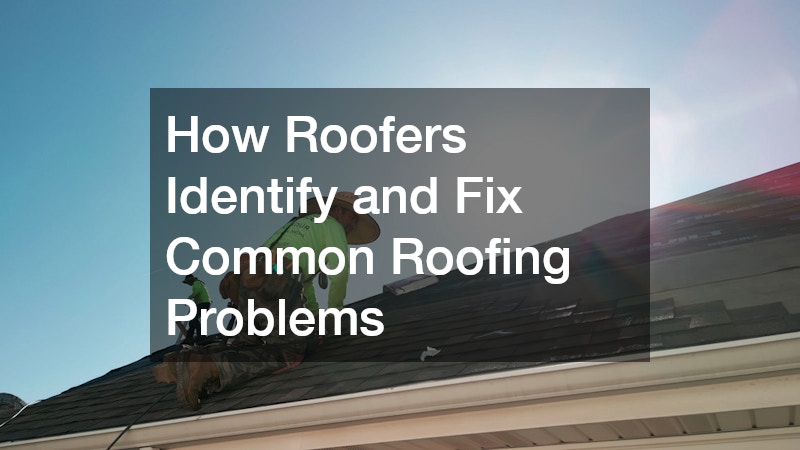
How Roofers Identify and Fix Common Roofing Problems
When it comes to maintaining your home, roofers play a critical role in protecting your property from the elements. A well-maintained roof not only keeps your home safe and dry but also preserves its overall value. Professional roofers are trained to spot issues that many homeowners overlook, and they know exactly how to fix them before they become costly repairs. Understanding how roofers identify and resolve common roofing problems can help you act quickly and make informed decisions about your home.
Common Signs of Roof Damage
Experienced roofers begin every inspection by looking for visible and subtle signs of damage. Some issues are easy to spot, while others require a trained eye.
One of the most common indicators is missing or damaged shingles. Curling, cracking, or completely absent shingles can expose the underlying structure to moisture. Roofers also check for granule loss, which often appears in gutters and signals aging shingles.
Water stains on ceilings or walls are another red flag. Roofers know that leaks don’t always originate directly above the visible stain, so they trace the problem back to its source. Mold growth, sagging rooflines, and increased energy bills can also point to underlying roofing issues.
How Roofers Conduct a Professional Inspection
Roofers follow a systematic process to ensure nothing is missed during an inspection. They typically start with an exterior assessment, examining shingles, flashing, vents, and gutters. Flashing—thin metal installed around roof features—is a common failure point that roofers pay close attention to.
Next, roofers may inspect the attic. This step helps them detect hidden problems such as poor ventilation, insulation issues, or small leaks that haven’t yet caused visible damage inside the home.
Advanced roofers sometimes use tools like moisture meters or drones to get a more accurate view of hard-to-reach areas. This thorough approach ensures that all potential issues are identified early.
Fixing Leaks and Water Damage
Leaks are among the most frequent problems roofers handle. Once the source is identified, the repair process depends on the severity of the damage.
For minor leaks, roofers may replace a few shingles or reseal flashing. If the leak is caused by damaged underlayment, they might need to remove a section of the roof to address the issue properly.
In cases of significant water damage, roofers may recommend replacing larger portions of the roof. They also ensure that any affected decking (the structural layer beneath shingles) is repaired or replaced to prevent future problems.
Addressing Shingle Damage
Shingle issues are another area where roofers focus their expertise. Whether caused by storms, age, or improper installation, damaged shingles can compromise the entire roofing system.
Roofers typically remove and replace broken or missing shingles with matching materials to maintain the roof’s integrity and appearance. They also check surrounding shingles to ensure the problem hasn’t spread.
If shingle damage is widespread, roofers may suggest a full roof replacement rather than ongoing patchwork repairs. This approach is often more cost-effective in the long run.
Repairing Flashing and Seals
Flashing is essential for preventing water from seeping into vulnerable areas like chimneys, skylights, and vents. Roofers frequently find that flashing becomes loose, corroded, or improperly sealed over time.
To fix this, roofers may reseal the flashing with specialized roofing cement or replace it entirely if it’s too damaged. Properly installed flashing creates a watertight barrier that significantly extends the life of your roof.
Roofers also inspect seals around vents and other penetrations, ensuring they remain intact and functional.
Solving Ventilation Problems
Poor ventilation is a hidden issue that many homeowners don’t recognize, but roofers know it can lead to serious damage. Without proper airflow, heat and moisture can build up in the attic, causing shingles to deteriorate faster and increasing the risk of mold growth.
Roofers address ventilation problems by installing or repairing vents, improving airflow pathways, and ensuring insulation is correctly placed. These adjustments not only protect the roof but also improve your home’s energy efficiency.
Roofing problems can range from minor annoyances to major structural concerns, but skilled roofers know how to handle them all. By identifying issues early and applying the right fixes, roofers help protect your home, improve its durability, and maintain its value. Staying proactive and working with trusted roofers ensures that your roof continues to perform its essential role—keeping your home safe, comfortable, and secure for years to come.
Related Posts

Copyright © All Rights Reserved. Local Roof Repair and Replacement. Sitemap