
How to Plan a Complete Home Improvement Project
Planning a home improvement project can be exciting, but without a clear strategy, it can quickly become overwhelming. Many homeowners start renovations with a simple idea—updating a room, improving energy efficiency, or increasing property value—but soon realize that projects often involve multiple systems and decisions. Proper planning ensures that upgrades happen in the right order, budgets stay manageable, and results last for years.
A well-organized renovation plan also helps homeowners avoid costly mistakes. Addressing structural issues first, setting realistic financial expectations, and coordinating improvements across different parts of the home are all essential steps. Whether you’re upgrading a few areas or planning a full-property transformation, careful preparation allows every improvement to work together efficiently.
This guide walks through practical steps to help homeowners plan a comprehensive renovation project from start to finish.
Assess Your Home’s Current Condition Before Planning

Before making design decisions or choosing materials, start by evaluating the current condition of your home. Renovation projects should always begin with identifying structural or functional issues that may affect the rest of your improvements.
Exterior components are especially important because they protect the interior of the home. Problems with roofing or drainage systems can cause hidden damage that becomes more expensive if left unresolved.
A thorough evaluation should include checking for issues that may require roof repairs or gutter repairs. These systems play a critical role in protecting the structure from water damage, mold, and long-term deterioration.
Homeowners can begin with a visual inspection, but professional inspections are often worthwhile before large renovation projects.
Look for warning signs such as:
- Missing or damaged shingles
- Water stains in the attic or ceilings
- Sagging or clogged drainage systems
- Peeling exterior paint or wood rot
- Foundation cracks or uneven floors
Identifying these issues early helps determine whether repairs should happen before cosmetic upgrades.
Structural maintenance should always come first because it affects the longevity of everything else you install.
Focus on repairs that:
- Prevent water intrusion
- Protect the structural frame
- Improve drainage around the home
- Stop existing damage from spreading
Completing roof repairs and gutter repairs before interior upgrades ensures that newly renovated spaces remain protected from moisture problems.
Once your inspection is complete, organize the findings into a priority list.
Divide issues into three categories:
- Immediate repairs – problems that could cause damage if ignored
- Recommended upgrades – improvements that enhance safety or efficiency
- Cosmetic updates – design improvements that can wait if needed
This structured approach keeps renovation plans practical and prevents homeowners from overlooking critical repairs.
Set Clear Goals and Define the Scope of Your Project
After evaluating the home’s condition, the next step is deciding exactly what you want to accomplish. Renovation goals vary widely—some homeowners want improved functionality, while others focus on aesthetics or property value.
Large-scale upgrades often involve custom home remodeling, which may include redesigning layouts, expanding rooms, or modernizing outdated spaces.
Start by asking key questions about your renovation goals:
- Do you want to increase living space?
- Are you planning to stay in the home long-term?
- Are you preparing the property for resale?
- Which areas of the home need the most improvement?
Clear answers help determine the scale and direction of your project.
Your renovation plan should support how your household uses the home every day.
Examples include:
- Expanding kitchens for family gatherings
- Creating home offices or flexible workspaces
- Improving storage and organization
- Adding multi-functional rooms
Custom home remodeling projects often focus on adapting older homes to modern lifestyles.
One of the most common renovation challenges is expanding the project mid-process.
To prevent this:
- Clearly document renovation goals
- Establish room-by-room priorities
- Separate “must-have” upgrades from optional features
- Review the plan before construction begins
Clear answers help determine the scale and direction of your project and guide decisions about materials, design, and budget allocation. Your renovation plan should also reflect how your household uses the home every day. Examples include expanding kitchens for family gatherings, creating home offices or flexible workspaces, improving storage and organization, or adding multi-functional rooms.
Custom home remodeling projects often focus on adapting older homes to modern lifestyles, integrating both style and functionality. One of the most common renovation challenges is expanding the project mid-process, which can lead to increased costs, scheduling conflicts, and design inconsistencies. To prevent this, clearly document renovation goals, establish room-by-room priorities, separate “must-have” upgrades from optional features, and review the plan thoroughly before construction begins. Defining a clear scope keeps projects manageable, ensures all improvements align with your vision, and helps avoid unexpected costs or delays.
Create a Realistic Budget and Financial Plan

Budget planning is one of the most critical parts of any renovation project. Many homeowners underestimate the cost of upgrading mechanical systems or fixing hidden problems discovered during construction.
Upgrades involving HVAC services or heating repair can significantly impact your budget but may also improve comfort and energy efficiency.
Organizing expenses helps homeowners stay financially prepared.
Common renovation cost categories include:
- Structural repairs
- Labor and contractor fees
- Materials and finishes
- Mechanical system upgrades
- Permits and inspections
Tracking these categories makes budgeting easier throughout the project.
Unexpected problems often appear during renovations.
Common surprises include:
- Hidden water damage
- Outdated wiring or plumbing
- Structural repairs behind walls
Experts recommend setting aside 10–20% of your budget for unforeseen costs.
Mechanical systems often require attention during large renovation projects.
Budget considerations should include:
- Heating repair if the system is aging or inefficient
- Updated HVAC services to improve airflow and comfort
- Thermostat upgrades and energy-saving technology
- Possible ductwork improvements
Although these upgrades may seem expensive initially, they often reduce long-term energy costs.
Improve Energy Efficiency During Renovations
Energy efficiency is a major benefit of renovation projects. Improving insulation, sealing air leaks, and upgrading fixtures can dramatically reduce energy bills while making the home more comfortable year-round.
One of the most effective improvements homeowners can make involves replacing outdated windows and doors.
Energy-efficient homes provide several advantages:
- Lower monthly utility bills
- Improved indoor comfort
- Reduced environmental impact
- Increased property value
Modern building materials are designed to minimize heat loss and improve insulation.
Older homes often lose significant energy through poorly sealed windows and doors.
When upgrading, consider:
- Double or triple-pane glass
- Energy-efficient frame materials
- Weather-resistant seals
- Low-emissivity coatings for heat control
These upgrades reduce drafts and help maintain consistent indoor temperatures.
Beyond replacing windows and doors, homeowners can improve energy performance by:
- Adding attic insulation
- Sealing air leaks around vents and pipes
- Installing smart thermostats
- Improving ventilation systems
Small improvements across multiple areas can produce significant savings over time.
Plan Structural and Exterior Improvements Early
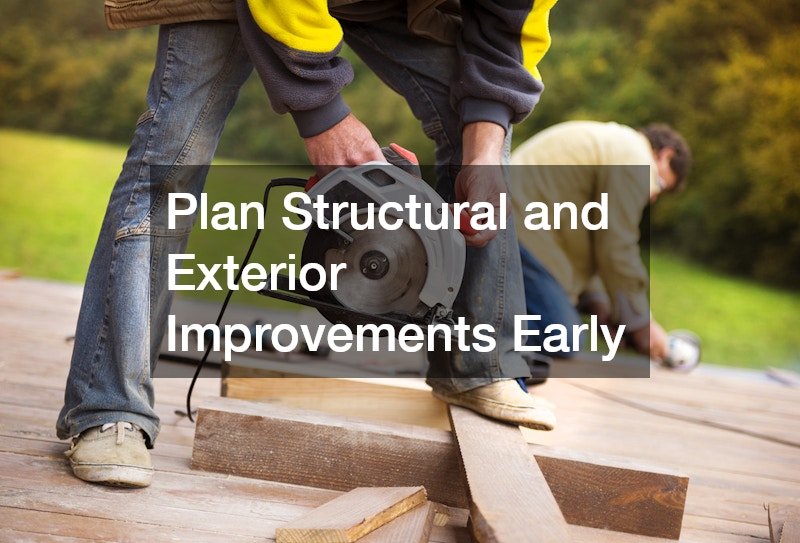
Exterior upgrades should be scheduled early in the renovation process. They protect the interior and often require access that could interfere with other projects later.
In some cases, homeowners may discover that a roof replacement is necessary rather than minor repairs.
Look for indicators such as:
- Widespread shingle damage
- Leaks appearing in multiple areas
- Aging roofing materials
- Structural sagging or uneven surfaces
A roof replacement can prevent ongoing water damage and protect future renovations.
Exterior upgrades often affect interior renovations.
For example:
- Roofing work may require attic access
- Structural repairs may affect insulation
- Drainage improvements may change landscaping plans
Completing exterior projects first reduces the risk of damaging finished interior spaces.
When upgrading exterior materials, consider options designed for long-term performance.
These may include:
- Impact-resistant shingles
- Metal roofing systems
- Weather-resistant siding
- Improved ventilation systems
Investing in durable materials ensures the structure remains protected for decades.
Upgrade Essential Home Systems for Long-Term Reliability
A successful renovation project should also address essential home systems that affect daily comfort and reliability.
Older homes often have aging equipment that may not perform efficiently. During renovations, homeowners should evaluate systems such as water heaters and HVAC services to determine whether upgrades are needed.
Most major home systems have predictable lifespans.
Typical averages include:
- Water heaters: 8–12 years
- Furnaces: 15–20 years
- Air conditioning systems: 10–15 years
If equipment is nearing the end of its lifespan, replacing it during renovation may be more cost-effective.
Upgraded systems provide several advantages:
- Better energy efficiency
- More reliable performance
- Improved indoor air quality
- Reduced maintenance needs
Modern water heaters often heat faster and operate more efficiently than older models.
Mechanical upgrades are easiest to install while walls and ceilings are already open during renovation.
Working with professionals offering HVAC services allows homeowners to:
- Improve airflow and ventilation
- Install energy-efficient systems
- Upgrade ductwork if needed
- Optimize temperature control throughout the home
Planning these upgrades early helps avoid costly changes later.
Don’t Overlook Safety and Maintenance Tasks
Large renovation projects often focus on visible improvements, but routine maintenance tasks are just as important. Addressing safety concerns during renovations ensures your upgraded home remains safe and efficient.
One important service that homeowners frequently overlook is dryer vent cleaning.
Neglected maintenance can lead to serious issues over time.
For example:
- Fire hazards from lint buildup
- Reduced appliance efficiency
- Increased energy consumption
- Poor indoor air quality
Scheduling services like dryer vent cleaning improves safety and performance.
While contractors are already working on the home, it’s a good time to schedule maintenance tasks such as:
- Appliance inspections
- Ventilation system cleaning
- Electrical system checks
- Plumbing maintenance
Completing these tasks during renovations helps prevent future problems.
Once renovations are complete, homeowners should establish a regular maintenance schedule.
Recommended practices include:
- Seasonal inspections
- Annual equipment servicing
- Routine cleaning of vents and filters
- Periodic safety checks for appliances
Preventative care ensures new improvements remain in excellent condition.
Expand Your Property’s Functionality with Outdoor Projects
Renovation projects often focus on interior spaces, but outdoor improvements can significantly increase property functionality and value.
Working with a custom shed builder is one example of how homeowners can expand usable space beyond the main house.
Accessory structures offer several advantages:
- Additional storage space
- Dedicated workshop areas
- Garden equipment organization
- Flexible hobby spaces
A well-designed shed can also enhance the property’s visual appeal.
Before building additional structures, homeowners should consider:
- Available yard space
- Local zoning regulations
- Placement for accessibility and appearance
- Utility connections if needed
A custom shed builder can help design structures that match the style of the main home.
Outdoor improvements should be planned alongside interior renovations to ensure a cohesive design.
Consider:
- Matching exterior materials
- Coordinating landscaping upgrades
- Improving walkways or access paths
These additions make the property more functional while complementing other renovation efforts.
Build the Right Team of Professionals

Large renovation projects require skilled professionals who can coordinate multiple aspects of construction and design.
Contractors specializing in custom home remodeling can help homeowners manage complex projects involving multiple trades and building systems.
When selecting professionals, homeowners should evaluate several factors:
- Licensing and certifications
- Experience with similar projects
- Client reviews and references
- Insurance coverage
Reliable contractors help ensure projects meet building codes and safety standards.
Before hiring a contractor, ask questions such as:
- What is your experience with similar renovation projects?
- How do you handle unexpected problems?
- What is the estimated timeline for completion?
- How will communication be handled during construction?
Clear communication helps prevent misunderstandings throughout the project.
Complex renovations may involve specialists such as:
- Electricians
- Plumbers
- Designers
- Structural engineers
Contractors experienced in custom home remodeling can coordinate these professionals efficiently.
Create a Step-by-Step Renovation Timeline
A structured timeline keeps renovation projects organized and reduces delays. Proper scheduling ensures that each stage of construction happens in the correct order.
Projects such as Heating repair or roof repairs should typically be completed before finishing interior upgrades.
Most projects follow a similar sequence:
- Inspection and planning
- Structural repairs
- Exterior upgrades
- Mechanical system improvements
- Interior construction
- Finishing work and design details
Organizing work in this order prevents damage to completed improvements.
Some projects depend heavily on weather.
For example:
- Exterior work is easier during mild seasons
- Roofing projects require dry conditions
- Landscaping projects depend on soil conditions
Planning ahead helps contractors complete projects efficiently.
Homeowners should monitor the renovation timeline to ensure work stays on schedule.
Helpful strategies include:
- Regular project meetings
- Progress reports from contractors
- Documentation of completed tasks
- Quick decision-making when issues arise
This proactive approach helps maintain momentum throughout the renovation process.
Planning a home improvement project requires thoughtful preparation, careful budgeting, and attention to detail. By evaluating your home’s current condition, defining clear renovation goals, and organizing upgrades strategically, you can avoid common mistakes that cause delays and unnecessary expenses.
Successful renovation projects balance structural improvements, energy efficiency upgrades, and design enhancements to create a home that is both functional and comfortable. Working with experienced professionals, maintaining a realistic timeline, and prioritizing essential upgrades all contribute to a smoother renovation experience.